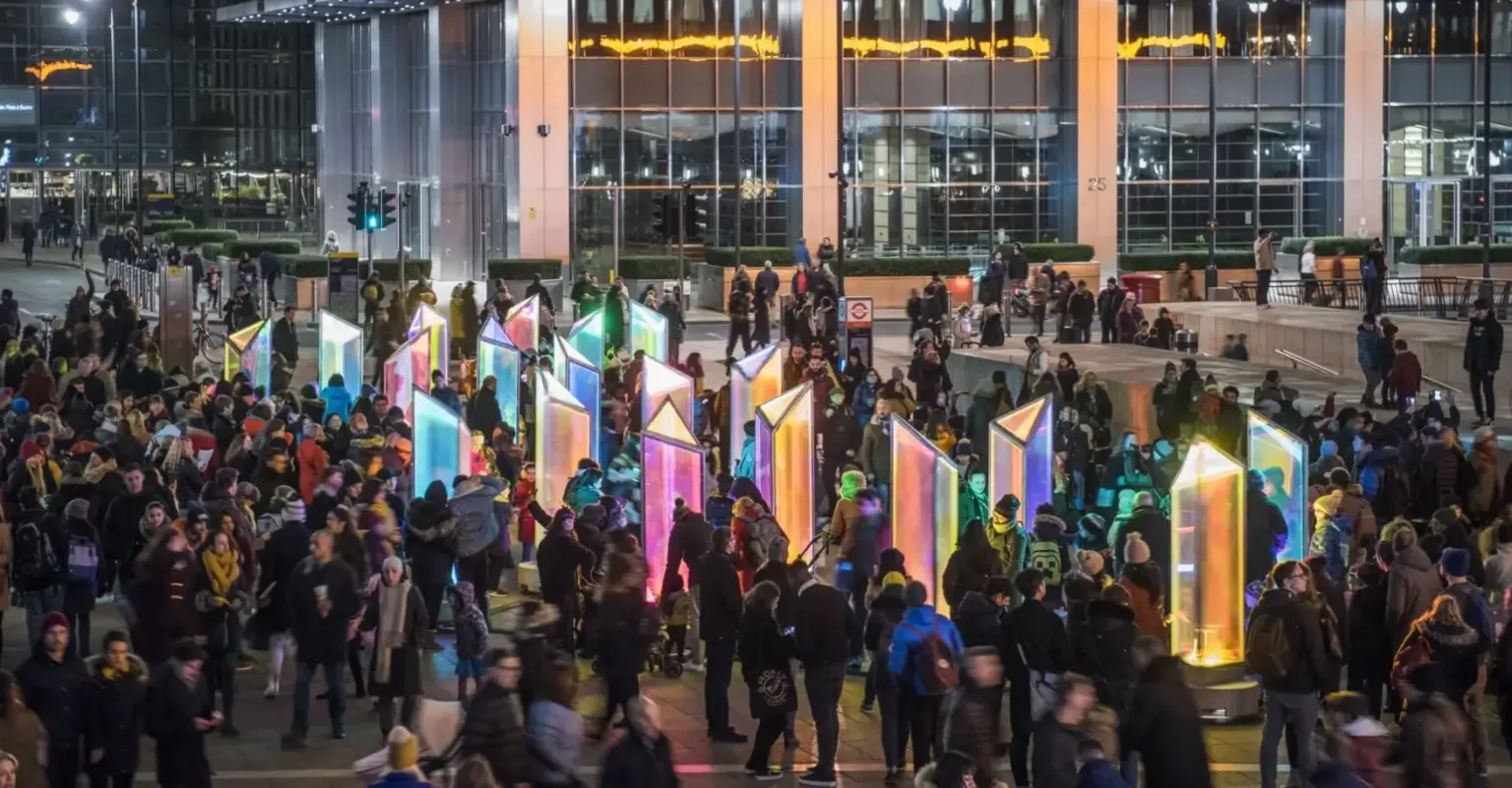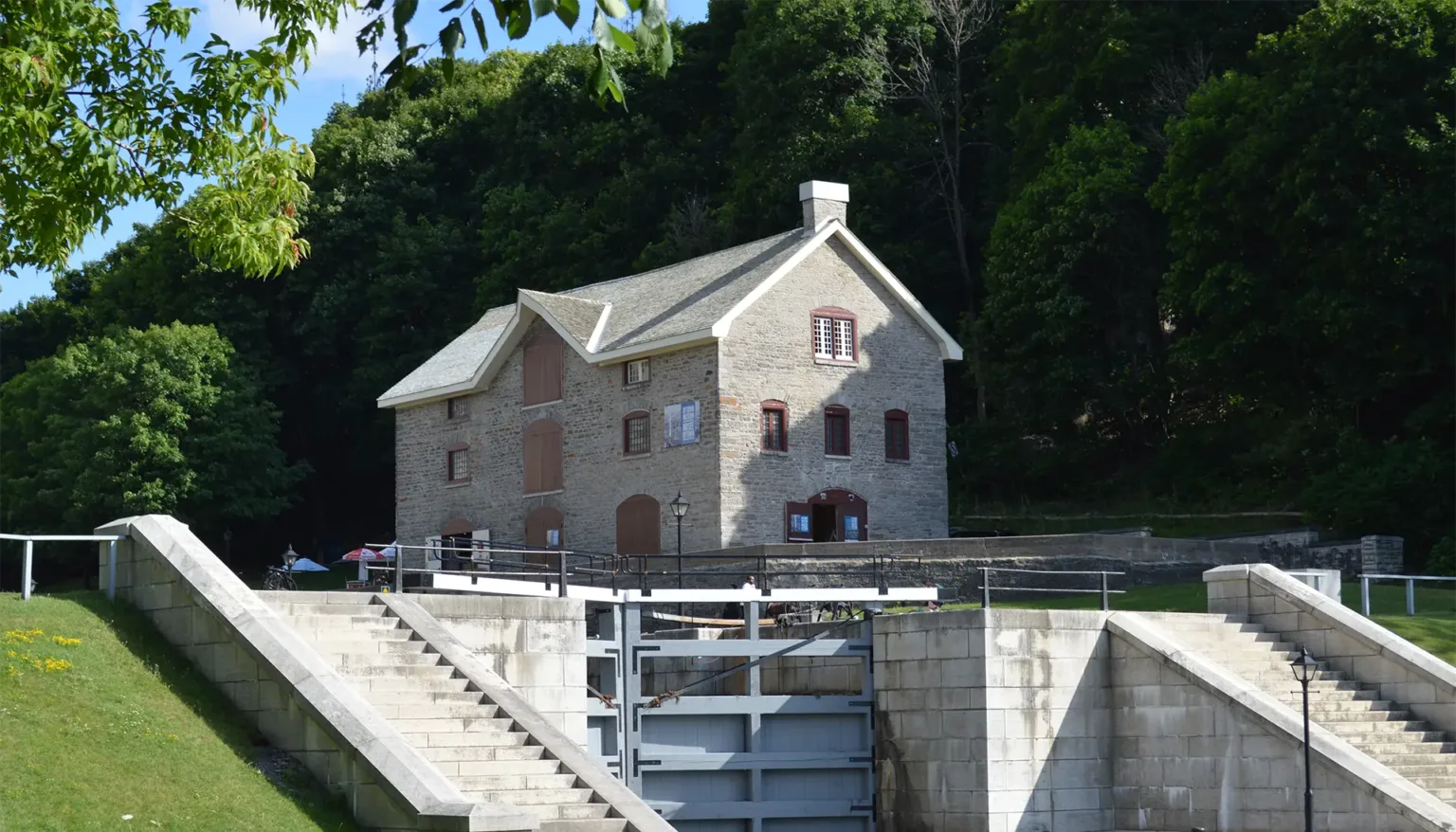
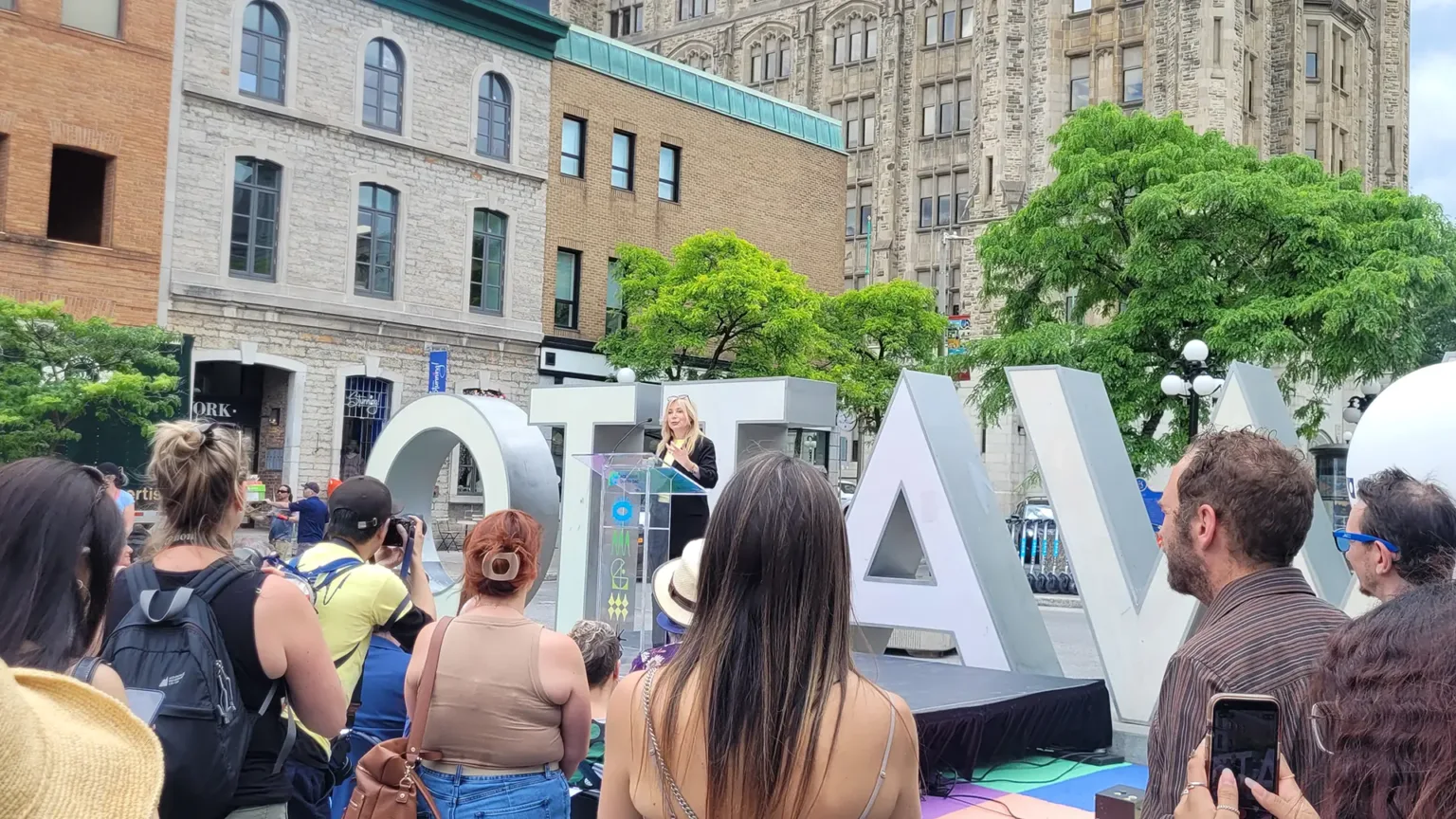
Ottawa’s downtown has always been full of remarkable arts, culture and entertainment. From legendary music venues to national arts institutions, independent galleries to internationally renowned festivals. From places to grab a pint to places to dance late into the night. It’s all here and all within a short walk or bike ride.
The problem has never been a lack of things to do. It’s been connecting the dots.
Alexandra Badzak, Director and Chief Executive Officer of the Ottawa Art Gallery (OAG), has been at the centre of the ACE District initiative. “We have an incredible mix of arts, culture and entertainment,” she says. “But as an ecosystem, we haven’t been great at bringing it all together.”
Badzak points to moments that stuck with her, like a few years ago when the OAG was running a hip hop exhibition while the National Arts Centre (NAC) was programming hip hop theatre and the ByWard Market was installing hip hop-inspired public art, all at the same time. None of them knew what the others were doing.
“What if we had really come together?” she says. “What if we had moved people between those venues? How amazing would that have been?”
That question of “What if” is at the heart of the ACE District
Following the pandemic, the question of what downtown Ottawa could be took on new urgency. Faced with real challenges in the downtown core, the OAG and other organizations were thinking about how to change the experience of the downtown.
“What if we put bold public art in the public realm?” Badzak says. “What would that start to do?”
The first step was a pilot project with the artist eepmon and Les Suites Hotel. The OAG commissioned eepmon to create a bold, colourful mural that wrapped an entire building facade on Daly Street. The massive artwork, called Chaos Blooms, transformed what had felt like a forgettable side street into something people stopped to look at.
“It was instantaneous,” Badzak says. “It changed peoples’ experience of the street.”
That one project opened a bigger conversation. Cities around the world were using arts and culture to lead downtown recovery. Could Ottawa do the same?
Connecting culture and city building
The idea of a downtown district for arts, culture and entertainment gained momentum quickly. It found its way into the City of Ottawa’s Downtown Action Agenda as a formal pillar backed by economic development. The Mayor, city councillors, the Ottawa Board of Trade and the Canadian Urban Institute all supported the idea. What surprised Badzak most wasn’t the opposition. It was that there wasn’t any.
“I can’t think of anyone who was a naysayer,” she says. “Everybody believed it was a great idea. The naysaying was: Yes, but can we actually do it?”
The ACE District is a game‑changer for Ottawa. It celebrates our identity, showcases our diversity, and connects every experience in the heart of the city. This is how we strengthen our destination, elevate the downtown journey, and spark a renewed sense of pride for everyone who comes here.
Andrew Peck, Executive Director, Downtown Rideau BIA
What has emerged is a stewardship model with the Ottawa Art Gallery serving as a trusted convenor — a secretariat whose role is to bring people to the table, help them find common ground, and create conditions for working together.
“There was a feeling like, we’ve got enough institutions,” Badzak says. “What we need is a methodology to work differently together.”
That approach draws on something Badzak comes back to from early meetings about the district: teachings from Host Nations around reciprocity. Different organizations have different strengths and different rhythms. The ACE District is about providing a space to respect those differences while creating connections to get the most out of everything that is already happening.
The ACE District has just launched, but those connections are already producing results. Vacant storefronts are being matched with artists through new partnerships. The NAC is exploring co-programming with the OAG. And at the ACE District’s first advisory table meeting, a representative from the National Capital Commission looked around the room and said what everyone was feeling: “This is the first time all of these people have been around one table.”
Artists build the culture, vibrancy, and sense of belonging that makes this city worth living in, and visiting. The ACE District is an exciting opportunity to stand behind what's already happening and to bring the visibility, investment, and civic recognition that Ottawa's creative community has earned. Artists are not a peripheral part of this city's story. They are its storytellers. And the ACE District says, clearly and boldly: we're listening, and we're investing in what you do.
Cassandra Olsthoorn, Arts Ottawa
So what is the ACE District? It’s a geography that spans Ottawa’s downtown connecting arts organizations, entertainment venues, public realm, BIAs and other partners to create an evolving, exciting space for exploration by residents and visitors. It’s a way of wrapping our arms, as Badzak often says, around everything that’s already happening to create more opportunities for artists, businesses and neighbourhoods.
And it’s a story about Ottawa. That we have one of the most diverse and interesting arts, culture and entertainment districts anywhere. And it’s time to explore and celebrate it.
Explore the ACE District on the map, follow or share on social media, or sign up for the newsletter to follow what’s next.